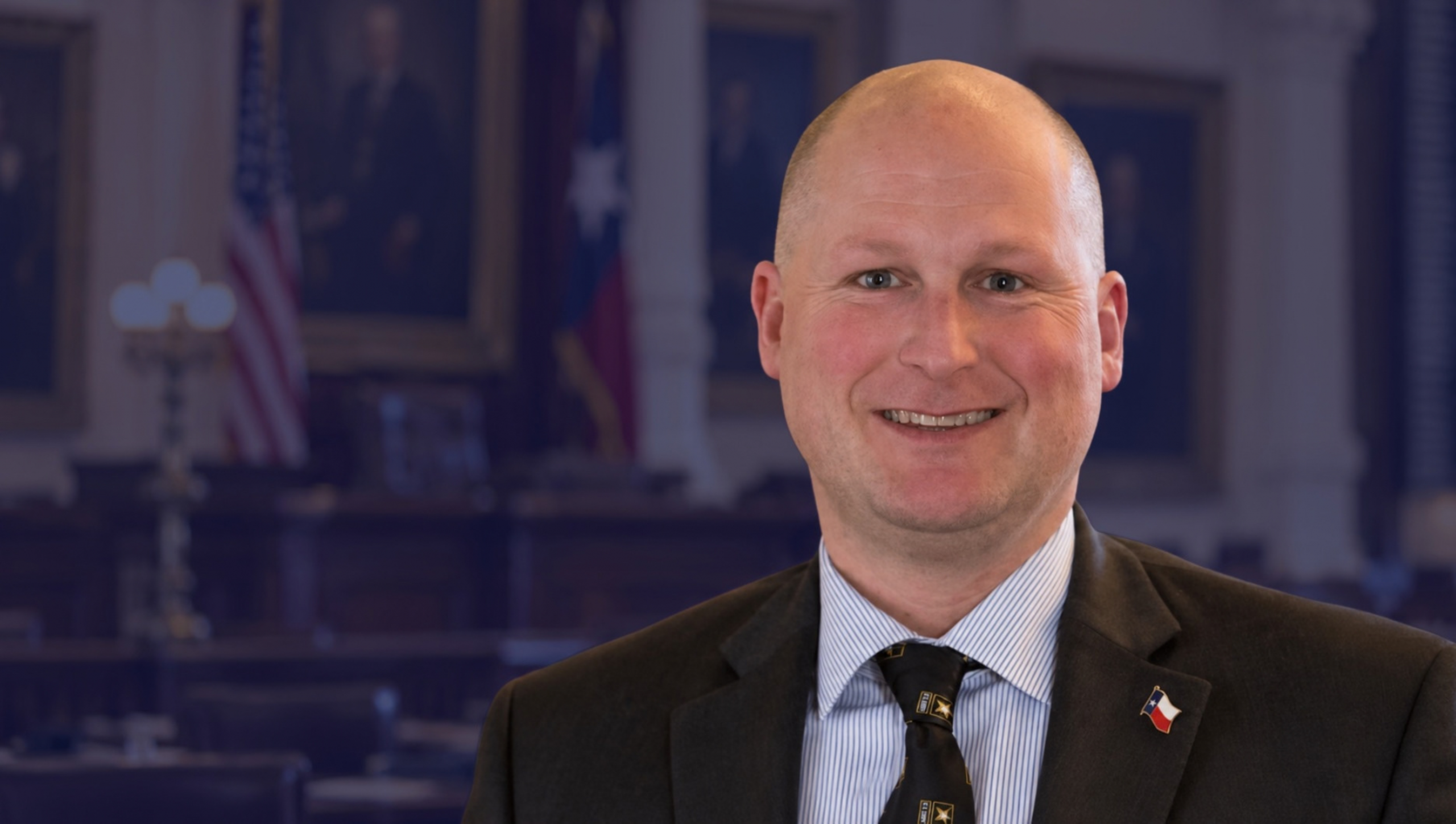


On the final day of the 2026 Republican Party of Texas convention in Houston, Texans for Fiscal Responsibility’s Destin Sensky sat down with Jace Yarbrough,1 the Republican nominee for Congressional District 32 in North Texas. Their conversation ranged across the issues Yarbrough has been hearing on the campaign trail for the newly drawn District. They discuss what voters are most talking about, including issues like immigration, cultural cohesion, crushing affordability, and the need for an America First disposition that goes on offense. Eventually, the conversation went deeper to discuss core problems in the American project, like what a healthy society actually requires.
One recurring theme was that government preferences for favored groups or industries distort markets, drain public resources, and leave ordinary Americans holding the bill.
What real Texans are saying on the ground
Yarbrough described three dominant concerns from traversing the northeast corner of the state: immigration and questions of national identity (“Who are we as a people?”), affordability pressures driven in part by foreign adversaries that do not play by free-market rules, and the President’s America First agenda abroad. Beneath specific policies, he said voters want candidates ready “to go on offense… to take the fight to the left,” rather than the old habit of restraint that never produces the promised electoral rewards.
He has also been encouraged by younger voters. Their underlying message, as he summarized it, is that “the American project is failing.” Marriage rates are down, and the culture offers the next generation “a long series of dopamine hits”—unlimited access to gambling, pornography, weed, nicotine, and processed foods. These become substitutes for “fulfilling activities that were about more than just gratifying your immediate appetites.” Young men in particular, he noted, want to do hard things in service of a larger project, and older generations err when they think the answer is simply to make politics more entertaining.
Vices, Industries, and the Free-Market Critique
Sensky agreed the rise in vices is real and insisted it is “not organic.” A “huge industry” targets young men (and others) with a “consumer for life” model reminiscent of Big Tobacco. He noted that TFR is “working very diligently at the state level to push back on things like the expansion of gambling to Texas.”
Asked what can be done federally, Yarbrough rejected the claim that these vices are simply the free market at work. “Even by their own principles, I think what’s happening is actually not free market oriented,” he said. Many of them exist because of “some government preference that’s given to these institutions or to these groups of people that are basically profiting off of getting young people addicted.” The practical response, in his view, is to start talking in terms of “what is a healthy economy, what is a healthy free market economy, what’s a healthy family, what’s a healthy person.”
Casino and sports-betting operators are not asking the market for permission; they are asking lawmakers for a state-granted privilege and carveout from Texas’ statewide prohibition on gambling. TFR’s work on the issue runs through the Texas Anti-Predatory Gambling Alliance (TAPGA), which opposes online sports betting and casino legalization. TAPGA defines “predatory gambling” as the partnership of corporate interests with government to exploit citizens. The fiscal case is straightforward: legalization brings more law enforcement, regulatory overhead, and social-service costs for addiction and poverty, while promises of broad economic gains typically fail and nearby local businesses get crowded out. The same pattern of government preference, not market outcome, appears elsewhere.
Affordability, H-1B, and Public Resources
Sensky raised the issue of the cost-of-living crisis: “The average age of Texans buying their first home is 40… crushing affordability issues are very real.” Yarbrough pointed to fraud in immigration programs and the H-1B visa system as high priorities. In North Texas, rapid housing-cost increases have been driven in part by large numbers of foreigners purchasing homes after receiving preferences that should have been limited to American citizens. He also noted that well-represented corporate interests and their teams of lobbyists have a role in creating the preferences so certain interests could have access to cheaper labor.
An H-1B worker who is fired has, as Yarbrough put it, “60 days to find a new [job] or it’s back home for you.” Combined with government-backed mortgages (low interest rates, 2% down), the rule creates intense pressure to stay employed. “Many of our corporations have started to profit off of the strong desire for foreigners who are here on H-1Bs” not to be sent home. “That’s wrong, right? That’s not free market. The government’s very much involved in that whole process.”
Sensky credited citizen journalists and activists with exposing waste, fraud, and abuse in government programs, and noted the built-in problem that “anywhere government puts money in order to accomplish a certain outcome, they overaccomplish and incentivize.” On deficit spending, Yarbrough said the DOGE effort taught Republicans one practical approach: “pick things that are particularly egregious. Go after them individually.” That will not by itself close multi-trillion-dollar gaps, he acknowledged, because deeper civilizational questions remain unanswered—chiefly whether “the public coffers” are “for Americans” or “for foreigners.” Immigration, H-1B, and visa reform are therefore “part and parcel of rooting out fraud, waste, and abuse.”
Broader Stakes and the Fight Ahead
The conversation also turned to Texas’s political trajectory, cultural confidence, and the need to speak clearly about what is true, good, and beautiful. Yarbrough argued that the right is oriented around what it loves and wants to conserve, while the left is oriented around what it hates—and that a politics of hate is ultimately self-limiting. He urged Republicans to be “happy warriors,” reject despair, and keep taking ground under the America First shift already underway on immigration and related issues.
The economic thread running through gambling, spending programs, labor, and mortgage rules is the same one TFR stresses often: each involves a government preference rather than actual market outcomes, and the costs fall on ordinary Texans. Whether the immediate question is casinos, federal waste, or the price of a first home, taxpayers can ask who the government is favoring… and who is left paying the bill.
You can watch the full interview HERE.
Texans for Fiscal Responsibility is an independent educational non-profit organization seeking to illuminate the actions of government, educate and equip citizens to effectively advocate for pro-taxpayer and pro-family reforms, and hold lawmakers accountable for their actions.
Funded by ordinary Texans who want a fair, fiscally sound, and accountable government at all levels, we exist to protect and serve the best interests of taxpayers and families in the Lone Star State. Please consider making a generous donation towards our work today!
Get The Fiscal Note, our free weekly roll-up on all the current events that could impact your wallet. Subscribe today!