

Tarrant County College (TCC) in north Texas serves thousands of students across its campuses, offering pathways to degrees and workforce training.
Yet, beneath the glossy annual reports lies a troubling track record of fiscal decisions that prioritize institutional protection over taxpayer interests. From property tax hikes that squeeze hardworking families, to scandals and unused property, TCC’s leadership has repeatedly demonstrated a disregard for Tarrant county taxpayers.
Just like with every government institution, taxpayers should scrutinize these actions and demand greater accountability, after all, public institutions like TCC are funded by our hard-earned dollars, and they should operate with the same prudence we expect in our own households.
More Money, More Taxes
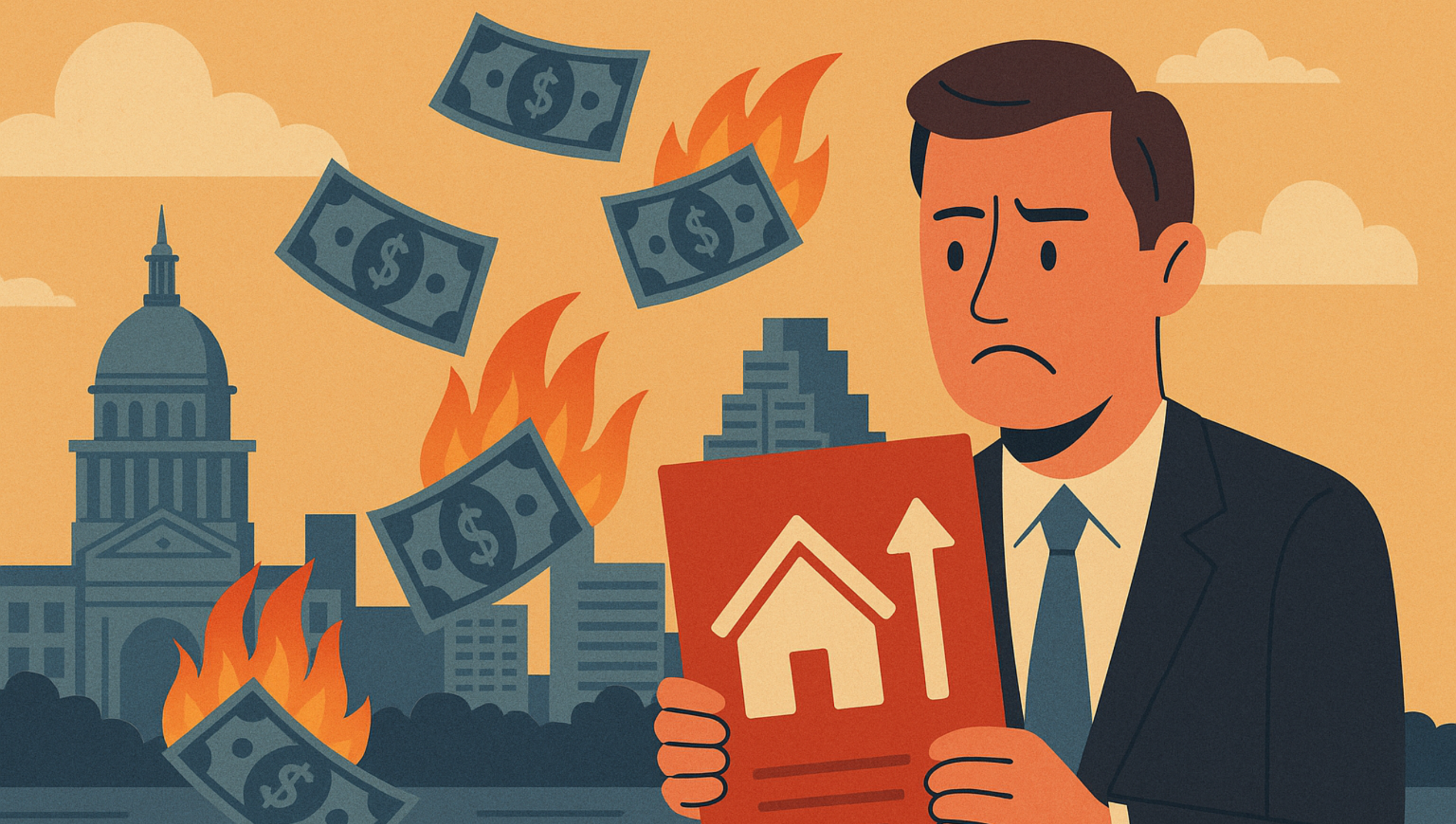
Property taxes, of course, are where Texans often get hit the hardest. While the college’s tax rates have fluctuated over the years, the overall trend reveals a reluctance to truly rein in spending, often resulting in higher levies even when rates appear stable or slightly reduced.
According to TCC, the total tax rate for 2025 stood at $0.112280 per $100 of property valuation, unchanged from the previous year but reflecting an increase from 2023’s $0.112170. This may seem minor, but it translates to real dollars: the total tax levy jumped from $299,246,374 in 2024 to $312,471,717 in 2025, an increase of over $13 million, or 4.42%, driven largely by rising property valuations.1
2025’s property tax increase also comes at a time when other local jurisdictions have actually lowered property taxes, while still maintaining services. A perfect example is Tarrant county, the home of TCC, which actually lowered property taxes in 2025.2
In layman’s terms, despite the rate staying the same, the TCC board knowingly voted to raise property taxes on taxpayers in 2025.
Diving deeper into historical data from the college, we see a pattern of tax rates that have not prevented escalating revenues at taxpayers’ expense. Property taxes are up over $100 million, or more than 50% over the last decade.3
Taxpayer-Funded Scandals
But property taxes are just the tip of the iceberg. TCC’s fiscal irresponsibility extends to apparent scandals that have wasted untold sums on legal defenses and investigations, all on the public’s dime.
Take the case of former Chancellor Eugene Giovannini, who was ousted in 2022 amid allegations of an improper affair with an employee and subsequent retaliation. A federal lawsuit filed by former executive vice president Kristen Bennett accused Giovannini of punishing her for disciplining the employee involved in the alleged affair, leading to her resignation amid a hostile work environment.4 The college responded with paid administrative leave for Bennett and multiple investigations, but the fallout didn’t end there.
Then, earlier this year, Giovannini sued TCC for breach of contract, claiming his termination was baseless and seeking over $1 million in damages; potentially another hit to taxpayer funds if settled or lost in court.5
High-Paid Chancellors
Amid the scandals and tax hikes, Tarrant County College’s leadership has further exemplified fiscal recklessness through its handling of employee compensation.
In late 2025, the Board of Trustees approved a hefty salary for Chancellor LeBlanc, elevating the chancellor’s base pay to $551,565, along with a potential $50,000 one-time merit bonus each year, reimbursement for business expenses, a cell phone and in-county mileage stipend of $800 per month, insurance, leave, and more.6
Adding insult to injury, dozens of faculty members were ordered to repay portions of their salaries due to administrative errors in contract information.7 This disparity, lavishing raises at the top while clawing back pay from teachers because of the college’s own mistake, highlights misplaced priorities, all funded by taxpayers who deserve better stewardship of their money rather than a system that rewards bureaucracy.
A Missed Opportunity?
Even more recently, unconfirmed reports are suggesting that TCC has turned down a lucrative opportunity to sell undeveloped and unused land at its northeast campus. The unconfirmed deal could have injected millions of dollars into the district’s coffers, providing a chance to reduce the property tax burden on local residents.
Furthermore, developing the site would expand the county’s tax base through commercial growth, enabling not just TCC but also Tarrant County and nearby cities like North Richland Hills to lower their own property taxes for hardworking families. If true, passing on such a revenue-generating sale would be just another example of the college prioritizing the institutions’ power and control over taxpayer relief.
Public Trust
All of these actions erode public trust and burden taxpayers who expect efficiency, not extravagance. Property tax revenues should fund education, not endless legal battles or bureaucratic bloat, and unused property should not sit on the sideline when taxpayers could benefit.
Until TCC reforms, North Texas residents will continue footing the bill for an institution that appears to have lost its way.
Texans for Fiscal Responsibility relies on the support of private donors across the Lone Star State in order to promote fiscal responsibility and pro-taxpayer government in Texas. Please consider supporting our efforts! Thank you!
Get The Fiscal Note, our free weekly roll-up on all the current events that could impact your wallet. Subscribe today!
- https://www.tccd.edu/about/legal/taxpayer-information/ ↩︎
- https://texastaxpayers.com/tarrant-county-continues-to-lower-property-tax-rates/ ↩︎
- https://www.tccd.edu/community/reports/annual-financial-report/ ↩︎
- https://fortworthreport.org/2022/02/08/tarrant-county-college-chancellor-accused-of-retaliation-related-to-affair-with-employee/ ↩︎
- https://www.keranews.org/news/2026-03-06/former-tcc-chancellor-sues-the-college-alleging-contract-violations ↩︎
- https://tcctx.portal.civicclerk.com/event/1145/files/agenda/2270 ↩︎
- https://www.star-telegram.com/news/local/article313534263.html ↩︎